Medial Shin Splints and Biomechanics
-

Play the article here:
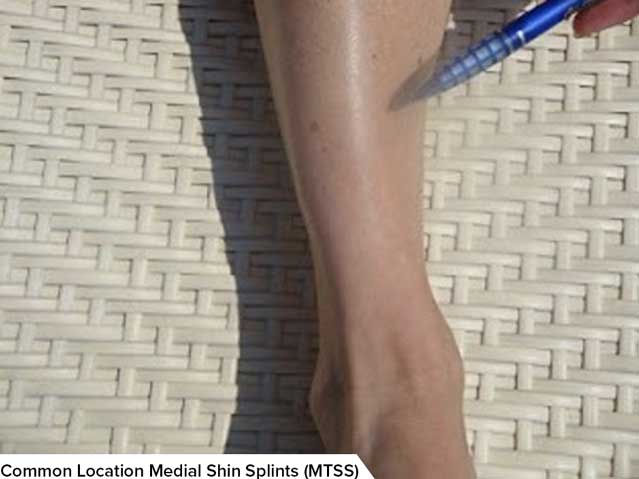
There are many causes of shin splints and many types. This article deals with medial shin splints along the medial border of the tibia and some of the possible biomechanics involved.
The article concludes that it is primarily a biomechanical issue. This will be crucial in treatment and long term prevention.
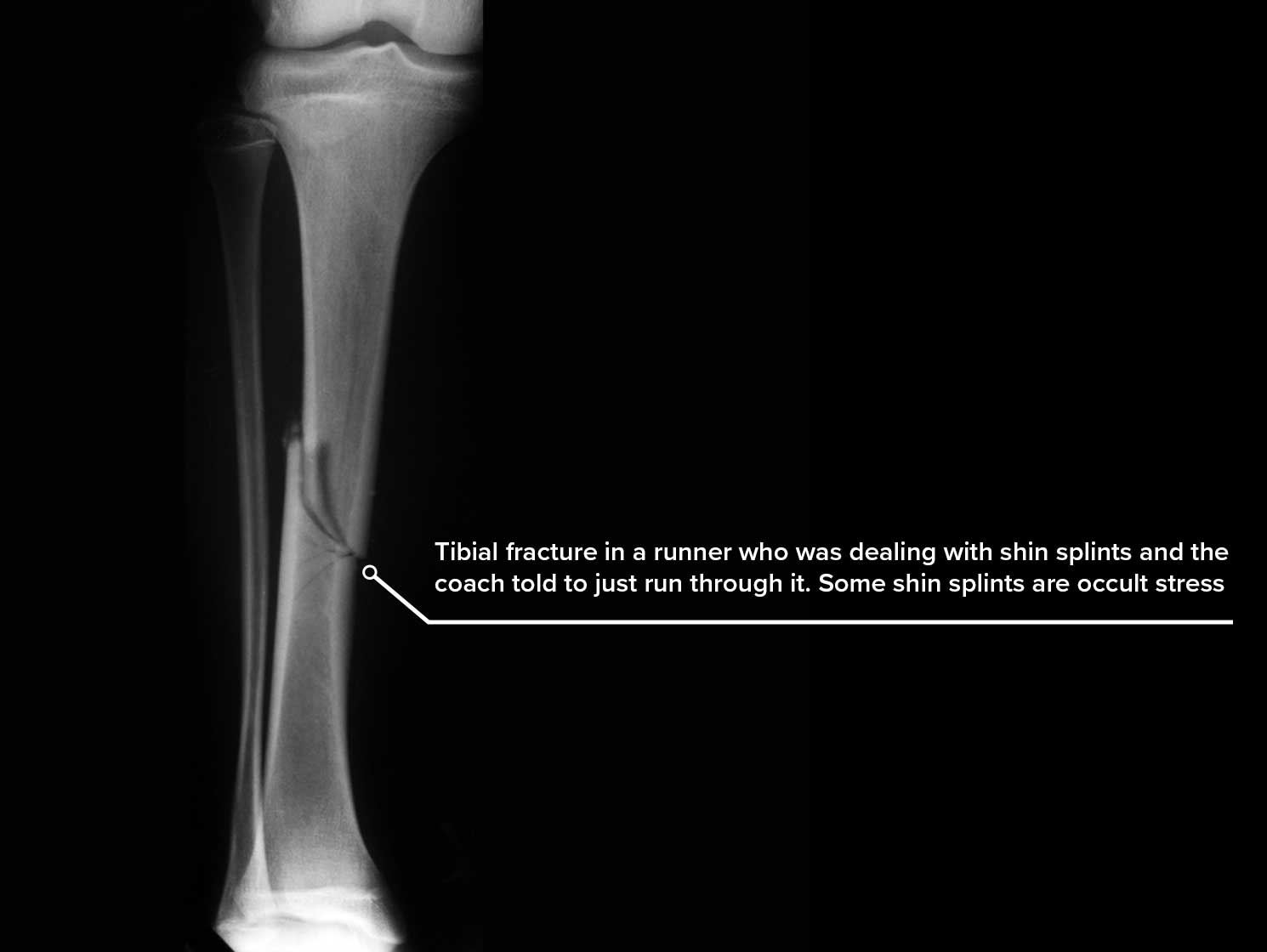
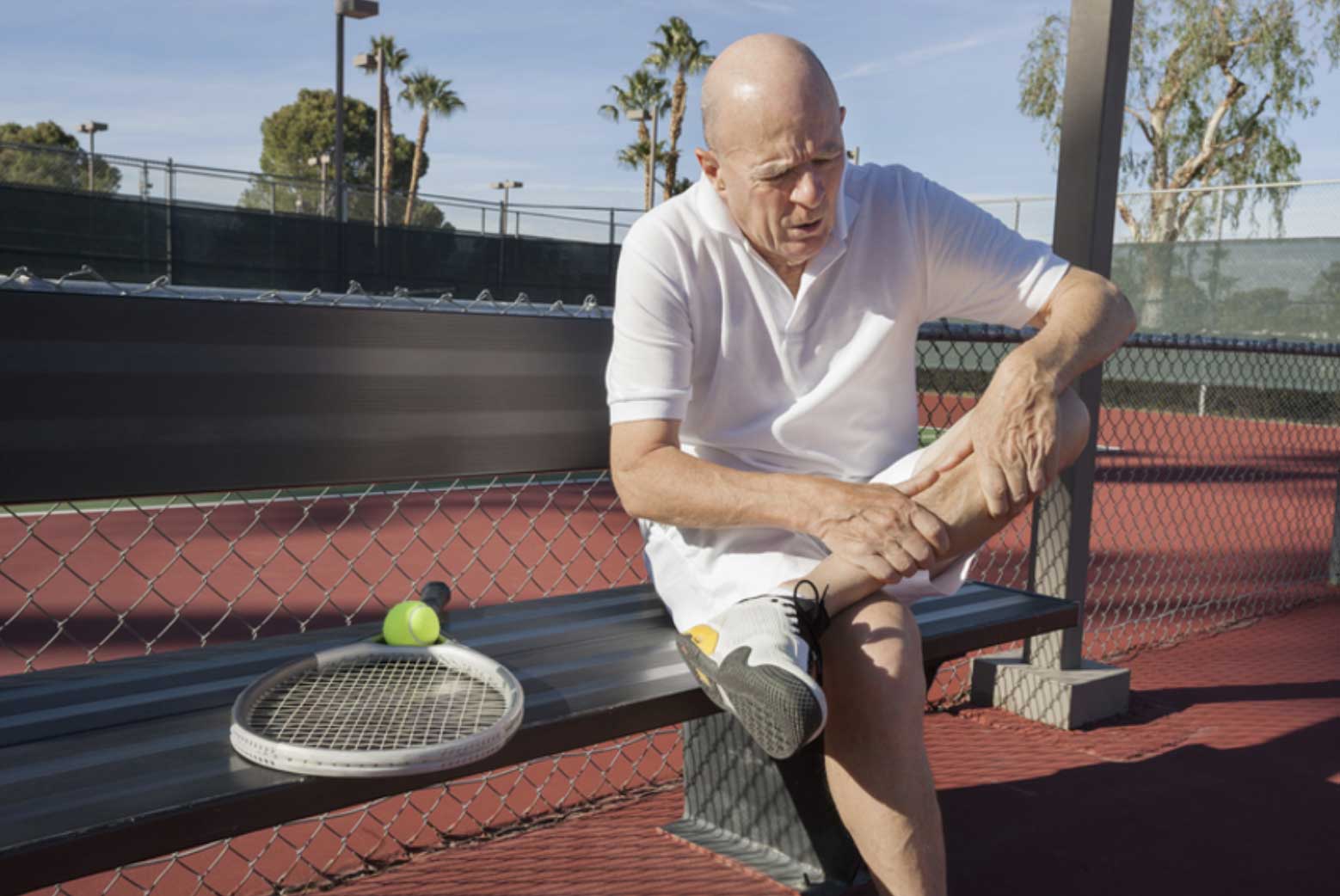
The two most common muscles that appear to be indicated are posterior tibial and soleus. Of course, both are decelerators of contact phase pronation. Most runners land inverted with their heels and pronate their subtalar joints to some degree (at times very excessive). This can be influenced by the shoes they wear, the need for custom orthotic devices, their speed, their tendency to overstride, the terrain, etc. As normal pronation, important for shock absorption and leg internal rotation at contact, gives way to excessive amounts, the medial instability produced can be devastating. 10-15% of all runners will complain of shin splints in any given year.. Some have occult stress fractures, disguised as mere shin splints, that shouldn’t be run through. Some patients with shin splints need primary shock absorption, yet most in my practice were helped by controlling excessive amounts of pronation. So what are the key points of this article in summary? They include:
- The authors imply that shin splints were seen more in beginning runners, which I would agree with (therefore, shin splints in an experienced runner should be worked up for stress fractures of the tibia)
- The 2 types of runners studied were novice (less than 3 months of running experience) and recreational runners (more than 3 months of running experience)
- Professional runners and those in the military were excluded
- Quoted from the article: Running kinematics, in both stance and swing phases, are strongly related to the development of MTSS and all the joints in the lower limbs can contribute to the emergence of this pathology. Overpronation of the foot seems to be related to its development, since it has been associated with several biomechanical findings present in MTSS runners.
- Review Figure 2 from the article showing some of the lower extremity problems associated with over pronation and found to be linked to medial shin splints including frontal plane pelvic tilt, navicular drop, knee valgus, increased peak hip internal rotation, and apropulsive gait with abductory twist and early heel off findings
- Read the Discussion of the treatments and causes of this injury with patients of higher degrees of arch collapse (navicular drop) having a greater chance to develop medial shin splints among other topics.
- Females are more prone for shin splints with a tie to greater amounts of pelvic tilt seen in women over men.
- The use of foot orthotic devices to change navicular drop and over pronation has been shown to help medial tibial stress syndrome (MTSS) aka medial shin splints. This coupled with some training plateaus (not always increasing), achilles stretching, and strengthening of the involved muscles seems to be a great program. Shockwave therapy seems to be very good in the treatment as 4-5 months to resolve these symptoms is normal.
- The authors conclude that the below is crucial for beginning runners:
To undergo a biomechanical analysis of running movements to identify risk factors for injury.
To perform a specific running technique to improve running kinematics.
This training protocol should be accompanied by strength and neuromuscular control exercises.
To establish a gradual running program with proper recovery times, in order to manage pain and prevent injury recurrence.