


CFO vs AFO
-

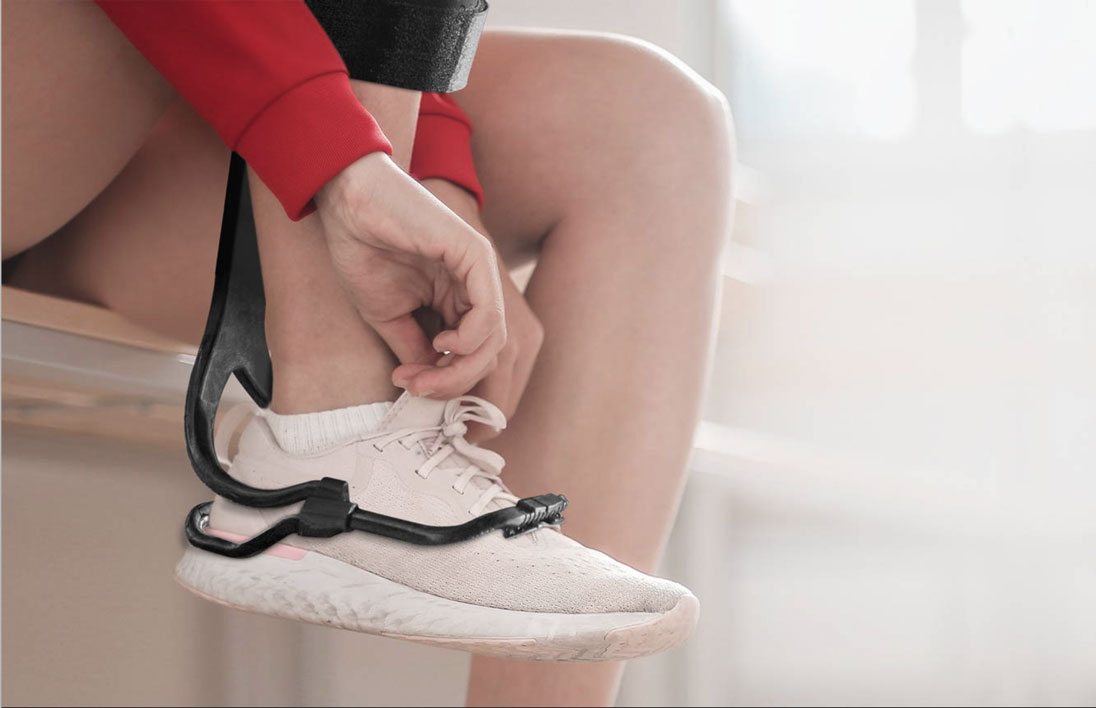
Having recently attended an out of state podiatry conference, it provided an opportunity to mingle with colleagues and vendors who offered a rare opportunity for “clinical” interaction.
One of the biggest non-reimbursement questions posed was: how do you know when a patient needs an AFO and you have exhausted custom foot orthotic therapy with a Root Orthotic?
Harkening back to my forty-plus years of practice, there were two types of patients you knew who needed an AFO. The first group, the easier patients to deal with, were those who came right out and told you they needed something more. Many of these patients were referred by another provider for something “more” than a Root Orthotic.
The other, more difficult group of patients to manage are those you, or someone in your group or down the road, are seeing and are never told that they need something more. These patients become agitated and aggravated as no matter what adjustments or modifications are made to their existing Root Orthotic, or even new prescriptive devices, they continue to have persistent complaints. In utter frustration, some eventually ask you for help.
Let’s look at one elderly, very astute patient who taught me a great deal about being honest and upfront about this issue. This kind man, who remained my patient for well over 15 years until his passing, contacted a nationally known orthotic lab and asked to be evaluated. After explaining his long clinical history, he was told he likely required something more than a Root Orthotic - perhaps a shoe modification or a brace.
The laboratory referred him to my office. After recounting his extensive history of failed Root Orthotic devices, he presented a shopping bag filled with them. These devices were fabricated by reputable laboratories, based on prescriptions from reputable colleagues.
After taking a detailed history and performing a thorough physical examination, it became clear why his Root Orthotic devices failed. His primary pathology was proximal to the ankle joint. While the full clinical picture, including imaging and exam findings, would take many pages to review, the key point was this: he had never been told his problem extended beyond the foot or why a Root Orthotic alone would likely be insufficient.
He was understandably distressed. He questioned why multiple practitioners continued to insist their Orthotic would succeed where others had failed. He received no meaningful relief, no alternative solutions, and ultimately asked whether providers were more focused on dispensing orthotics than solving the patient’s problem. He also raised an important issue: were clinicians considering not only the financial costs of non-covered Orthotic therapy, but also the time, travel, and emotional toll of repeated unsuccessful treatments?
He was reassured when finally told that a Root Orthotic is not always the “end-all,” and that effective treatment sometimes requires intervention above the ankle.
After appropriate imaging and consultation with neurology, this patient was ultimately fitted-through a structured, evidence-based approach-with three different pairs of custom AFOs over fifteen years. The transformation was profound. He returned to walking in the park and playing with his grandchildren. It changed his quality of life, and he became a strong advocate, referring many friends and family members for both non-surgical and surgical care.
So, what’s the take-home message?
For biomechanically naive patients who have never received orthotic therapy, beginning with a Root Orthotic from a trusted, research-driven provider like KevinRoot Medical may be the most appropriate first step. For others, particularly those with more advanced or proximal pathology, initiating care with an AFO may be more effective.
It is absolutely appropriate to begin with a custom Root Orthotic. However, if you suspect that a Root Orthotic may ultimately fail, do not keep that to yourself. Set expectations early. Patients appreciate transparency.
Patients need to understand that a Root Orthotic is often just the first step in a comprehensive biomechanical treatment plan. In complex cases, it serves not only as a therapeutic intervention but also as a diagnostic tool.
If a Root Orthotic fails, you have still provided a valuable conservative treatment approach. This often makes patients more receptive to transitioning to more supportive solutions, such as a custom AFO. This is particularly important for patients concerned about footwear aesthetics, an area where modern solutions, including those supported by KevinRoot Medical, continue to evolve.
Some patients fall into a gray area. A Root Orthotic may relieve certain symptoms but not all. Is it worth progressing to the next level? That depends on the clinical scenario. Some patients may benefit from multiple Root Orthotic designs tailored to specific activities (e.g., sport versus daily wear). Others may require a combination approach, Root Orthotic for some activities and AFO support for others. And for some, partial symptom relief may be acceptable.
As with surgical decision-making, it is often best not to have patients commit to a treatment plan during the initial visit. Advanced imaging (CT, MRI) or specialty consultation (e.g., neurology) may be necessary. Podiatry, like wound care, should function within a multidisciplinary framework.
Above all, be honest and transparent from the first encounter. Explain your stepwise approach and the rationale behind it. If AFO management is outside your scope, refer appropriately.
And remember, leveraging the expertise of the KevinRoot Medical Clinical Team can help guide you in selecting the most appropriate Root Orthotic or advanced bracing solution for your patient, ensuring care is both biomechanically sound and patient-centered.
