


A Case Study of the Waddling Grandma
-

Mrs. BB is a 78 year old female presenting to the clinic stating she is having difficulty walking and maintaining her balance when standing and walking. She also states she has been “flat footed” her entire life, with chronic pain and fatigue in her feet, ankles and lower legs. The condition has been in both feet, but the right foot has always been more pronounced. Over the years she has tried different shoes, bought arch supports, had therapy but the problem has persisted. Over the past few years it has worsened, particularly in the right foot, mostly in the arch area, where it feels like the foot is going to collapse, and she is now forced to use a cane, and is afraid she may have to start using a walker. She has lost her balance several times for no apparent reason and is concerned for more serious injuries. She has also noticed her shoes do not fit as well as they used to and she is having pain in her right knee and hip.
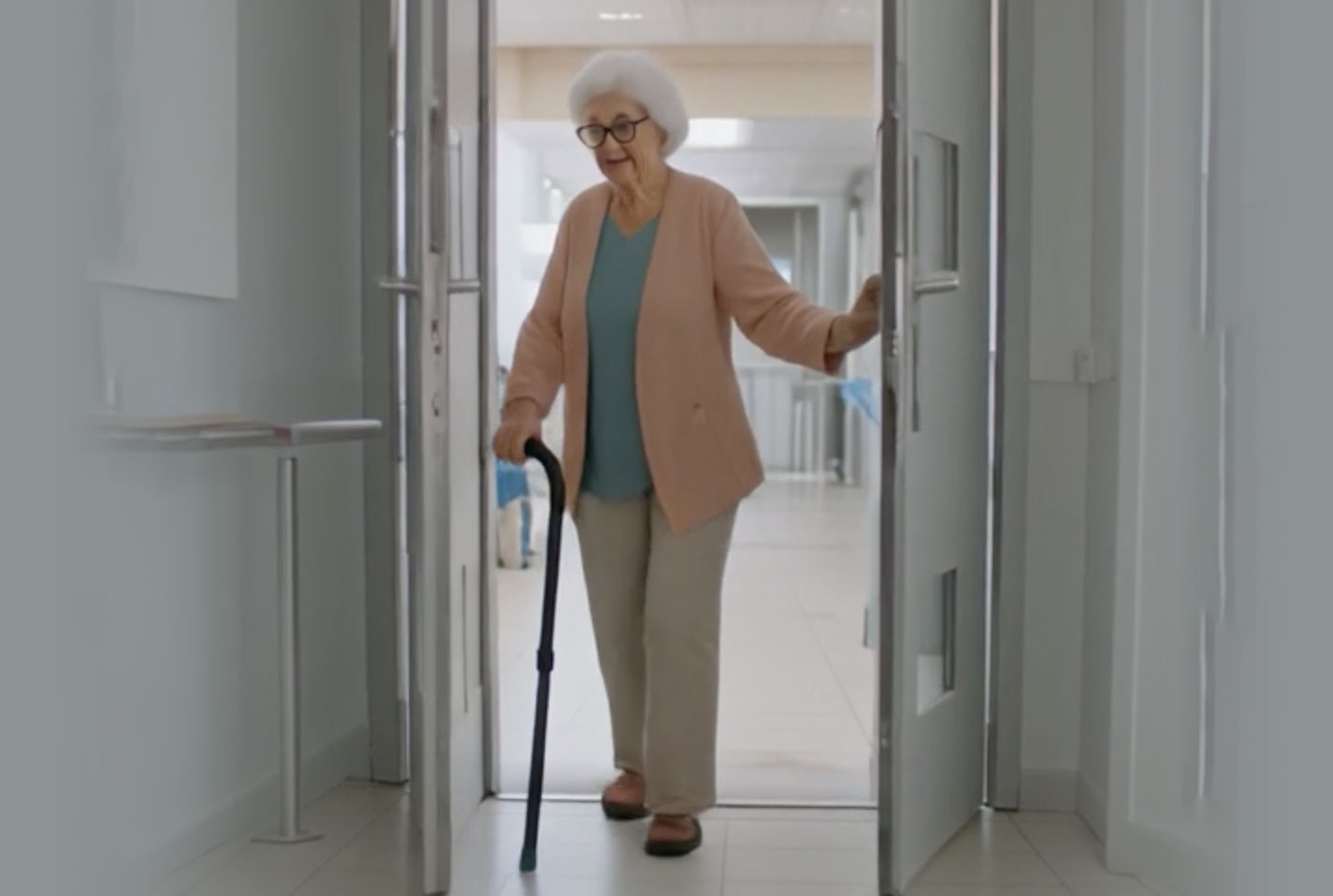
Our patient is 5’3’’’ and weighs 160 pounds. She is a retired bank teller. Her general health is good with mild hypertension under control with medication and also takes a statin medication for her high cholesterol and occasional over the counter pain medication for her foot and ankle pain. She denies smoking, and relates having “a shot of brandy” at bedtime to help her sleep. She has no known food or drug allergies.
Posterior Tibial and Dorsalis Pedis pulses are 2/4+ bilaterally. Capillary filling time is less than three seconds in all digits, digital hair growth is absent, skin tone and temperature are within normal limits. There is 2/4+ pitting edema in the right foot and ankle and 1/4+ in the left foot and ankle, most pronounced medially. Mild superficial varicosities are noted in both calves. Neurological exam findings are non-contributory. Ankle range of motion is normal in both dorsiflexion and plantarflexion, there is very limited inversion in both subtalar joints, hypermobility in both midtarsal joints. Crepitus is present in the right 1st Metatarsal Cunceiform joint, as well as very limited range of motion in both first MTPJs. Decreased muscle strength of both Tibialis Posteriors more pronounced on the right. Both feet are severely pronated upon standing, with excessive heel eversion, medial arch collapse and forefoot abduction, all right greater than left. There is absence of heel inversion upon assisted calf raise maneuver. Pronounce genu valgum is noted, gait is shuffling, apropulsive and the patient has difficulty maintaining balance without assistance.
Weight bearing x-rays of both feet reveal severe pronatory changes particularly in the right rearfoot foot including partial subluxation of the right Talo-Navicular joint and severe arthritic changes in the right 1st Metatarsal-Cuneiform joint.
Discussion:
The diagnosis of Posterior Tibial Tendon Dysfunction often arrives years too late. Many people enter their “golden years” hoping to maintain their independence and mobility, only to find severe limitations on both due to chronic overuse syndromes overlooked during the course of their lifetimes. Now we are in the unenviable position to try to salvage what is left of our patient’s ability to stand and walk, to live the life she chooses, not what is forced upon her. Her biomechanical practitioner has to carefully evaluate the situation and create an effective treatment plan to achieve the desired treatment goals of promoting independent movement with limited pain and disability.
The use of a custom foot orthotic or ankle foot orthotic is central, but not exclusive to effectively treating this condition. The first question to be addressed is whether the deformity is reducible (somewhat flexible) or fixed (somewhat or completely rigid). Another question is how high up the kinetic chair does the deformity exist, in other words, is it affecting structures above the foot and ankle? In extreme cases of PTTD, when you observe the patient standing from behind you can note a medial shift of the lower leg above the foot, the Talus barely sitting above the Calcaneus. The foot is severely abducted on the transverse plane, the medial malleolus has dropped closer to the ground with the lower leg internally rotated and the knee buckling into valgus.
The question becomes what type of orthotic device do we choose to treat this patient? There is pressure to get it right the first time. The spectrum of orthotic devices that can be used span from a soft, forgiving accommodative insert placed into a supportive shoe, to a standard custom foot orthotic, to a specialized heavy duty foot orthotic such as a UCBL, to an AFO, either a double upright attached to a custom foot plate (Richie type device) or a gauntlet type AFO. Do we use the same device on both feet? The proper response to these questions lies in the determination of the amount of flexibility/rigidity there is, and how extensive the deformity is. Of course there are other factors that can determine the treatment course, such as financial and insurance considerations.
As always, each case stands on its own and there is no one size, fits all answers. My personal experience with this condition is to err on the side of being aggressive, generally an AFO will treat this condition more effectively than a standard foot orthotic. It is also best to keep in mind that the condition can be progressive and a more proactive treatment plan can prevent further pain and disability.
