


A5512 vs A5514
-

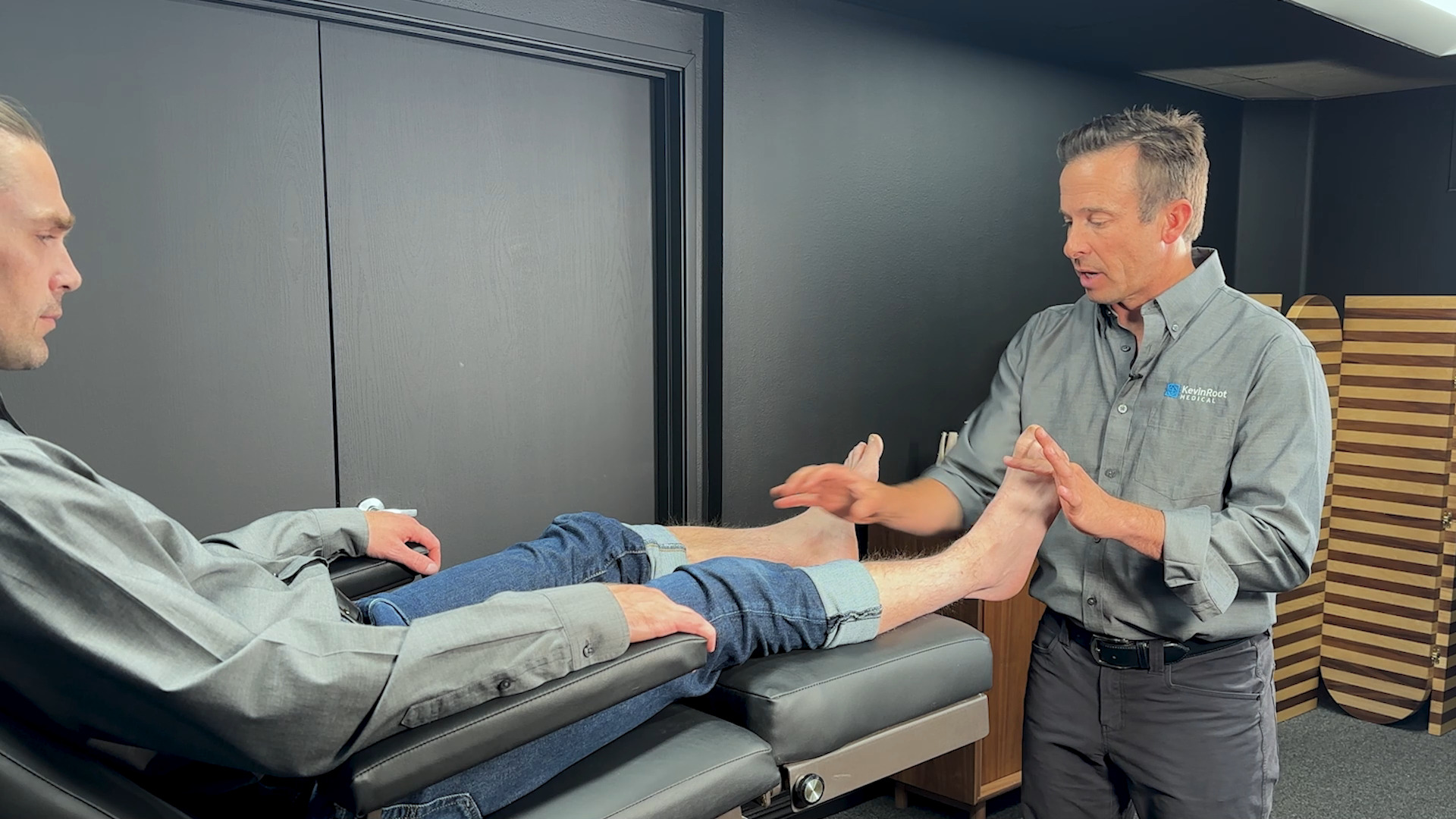
A colleague recently asked a question regarding the existence of a bell curve by which the DME MAC might compare their practice to others regarding heat molded vs custom therapeutic inserts.
The short answer is that I am not aware of any such bell curve and if there was one, it could easily be dismissed as totally unscientific and potentially biased for any number of reasons. More on that in our next newsletter.
Past conversations with the previous and current Medical Director for the Price Data Analysis Contractor (PDAC) were not just limited to this product but to the entirety of DME custom vs off the shelf.
The opinion (and again it was their opinion was that the majority of DME could be (that's a key phrase) handled with prefabricated devices.
How that would exactly apply to therapeutic inserts is uncertain, as these patients are already the highest of at-risk patients. Additionally, there is nothing in either the Therapeutic Shoe for Diabetes LCD or attached articles mandating the specific coverage indications for a specific type of insert.
Even the heat molded inserts require customization by heating, and molding, etc. in order to qualify as A5512. In most cases, in my opinion, if more than one modification is required, wouldn’t it be far more therapeutically effective and efficient to manufacture a fully custom device?
Patients seeking therapeutic inserts from a shoe store or pharmacy in a well to do suburban area, present with different patient demographics than those seeking care from a physician or Certified Orthotists or Pedorthists office in an inner city.
Those two populations will likely have very different medical needs and hence it would be very unfair to compare data based on the HCPCS code alone.
Being more careful on documenting the medical necessity for a custom molded or milled (A5513 or A5514) vs. a heat molded inserted seems more important than fitting into an imaginary bell curve.
For example, the patient who has multiple deformities and multiple hyperkeratosis would be better suited to receive a custom device. Since the A5513 or A5514 device reimburse the same, that may simply be a matter of personal preference and what your shoe vendor provides. There is a difference between the reimbursements between A5513/A5514 and A5512, but so are your costs, hence not much profit driven motive there. Additionally for many patients and providers there may be the incentive of one stopping. Have heat molded inserts in stock and dispense them that day, no need for patients to return, no worry about being stuck with patients who don’t return for fitting and much faster ROI.
That is definitely not the route we should take for our patients. Provide what the patient needs, whether it’s a custom milled insert or a custom fabricated orthotic provided by Kevin Root. While the latter may not be covered by Medicare, it may be the correct device to provide to your patient.
To conclude: The medical necessity of what you provide should be based on your patient’s needs and your patient demographics will dictate what you should provide. There are no specific diagnostic or physical findings which stipulate when you must only provide a heat molded (A5512) insert and when you can provide only a custom molded (A5513) or custom milled (A5514) insert.
You will need to be prepared to document why you did what you did. I don't believe CMS has a set formula. In our next installment we will dissect the Part B Medicare Data from 2024 on Therapeutic Shoe Inserts (BMAD).
