Plantar Fasciitis: Seen through the Eyes of Primary Care Physicians
-

This is a great article on diagnosing and treating plantar fasciitis and worth the read. It is fun to see how Primary Care Physicians may see things somewhat differently than Podiatrists. However, all in all, the information they present is very good.

Key points of difference occur in every area from diagnosis to treatment. The article pretty much lumps Stage I and 2 together, which is a Podiatry subtlety. There can be huge differences in presentation and treatment from Stage1 Plantar Fasciitis to Stage 2 Partial Tearing where edema and thickening within the plantar fascia are common. Stage 2 is termed Plantar Fasciosis. Also, Infra-calcaneal bursitis and Heel Fat Pad Syndrome are not mentioned in the differential of heel pain at all, as different professions learn about this problem differently.
Here is a quote from the article worth discussing: "Conservative treatments usually start with patient-directed therapies and advance to physician-prescribed modalities based on how a patient's symptoms respond over weeks to months (Figure 4). Within this time, 90 percent of patients will improve with conservative therapies. If a patient's symptoms persist six months or longer, further invasive procedures are sometimes required."
First of all, what are the initial patient-directed therapies that are started at the first visit? These include achilles and plantar fascial stretches, purchasing OTC arch supports, limiting barefoot walking, icing, and shoe changes to be more stable.
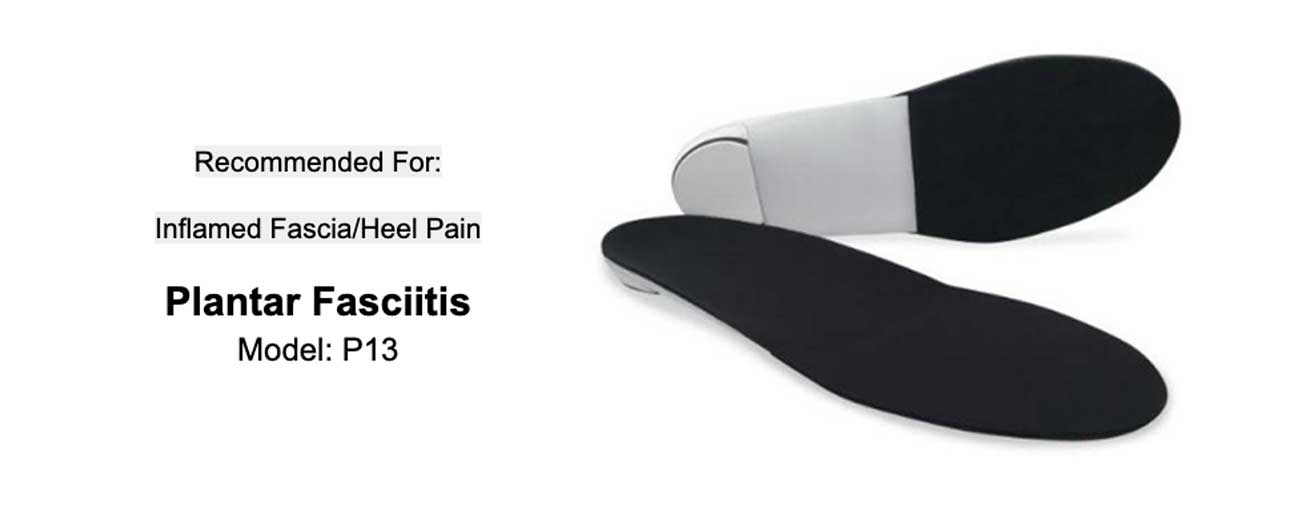
Second of all, what are the physician-directed treatments started at the 1 or 2 month level when treatment has plateaued? These will typically include more custom orthotic devices, like the KevinRoot Medical P13 device for plantar fasciitis.
Also included in the physician-directed approach will be physical therapy, shockwave therapy, injections, cam walkers or bike shoes with embedded cleats, and oral medications.
In pure cases of plantar fasciitis, patients should respond 100% to conservative treatments. The 10% of plantar fasciitis not responding to treatment, typically need a diagnosis change, like a plantar fasciitis case that is really a Stage 2 plantar fasciosis case with different treatments available.
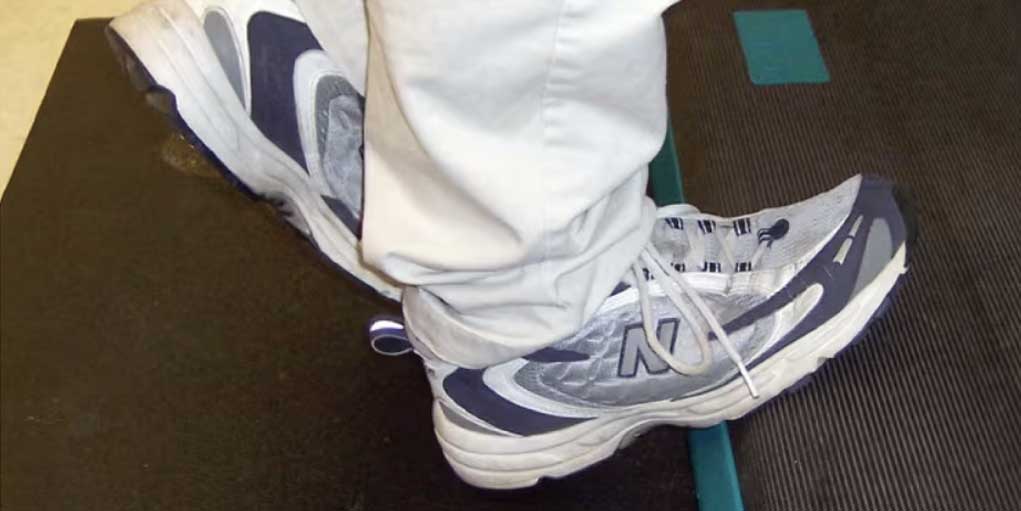
I will end this with an image I really do not like when you are treating plantar fascial or achilles injuries. This negative stretching can cause the complete undoing of any healing. Please don’t recommend it when you are treating these patients.