


An Understanding of Posterior Tibial Tendon Dysfunction: When are Orthotic Devices Appropriate?
-

This article highlights the treatment of the 4 Stages of Posterior Tibial problems. Stage 1 and 2 are acceptable for orthotic treatment with devices. Stage 3 can be treated with orthotic devices, but most go to AFO treatment, and many have surgery at this stage. Stage 4 is considered a surgical diagnosis.
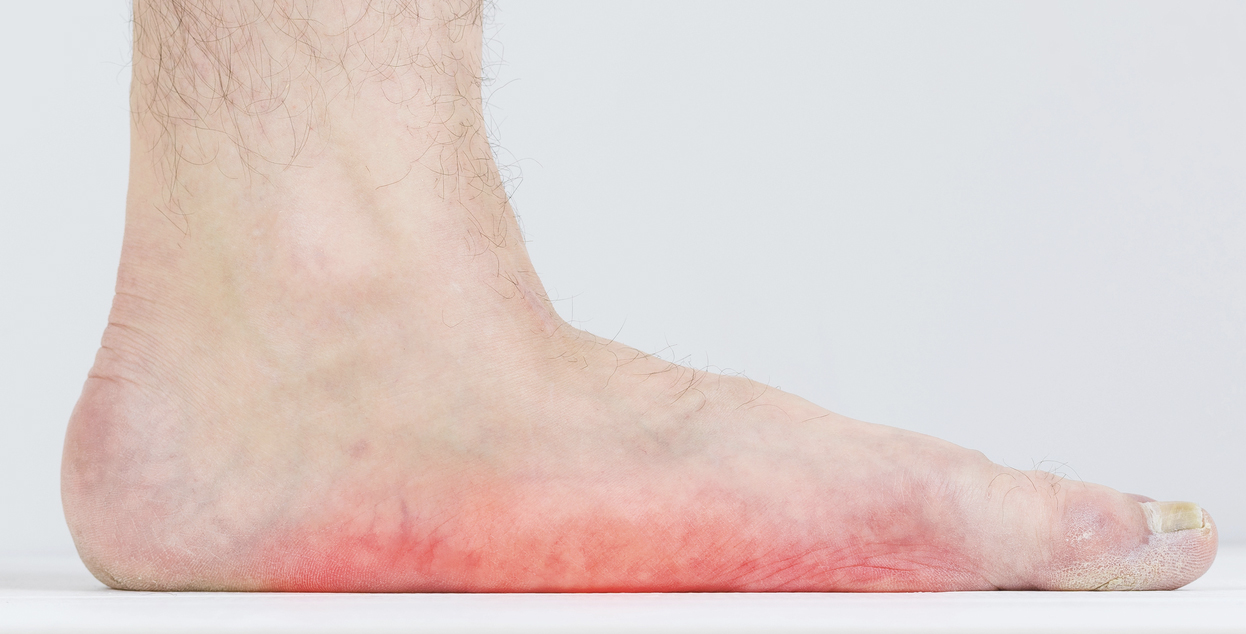
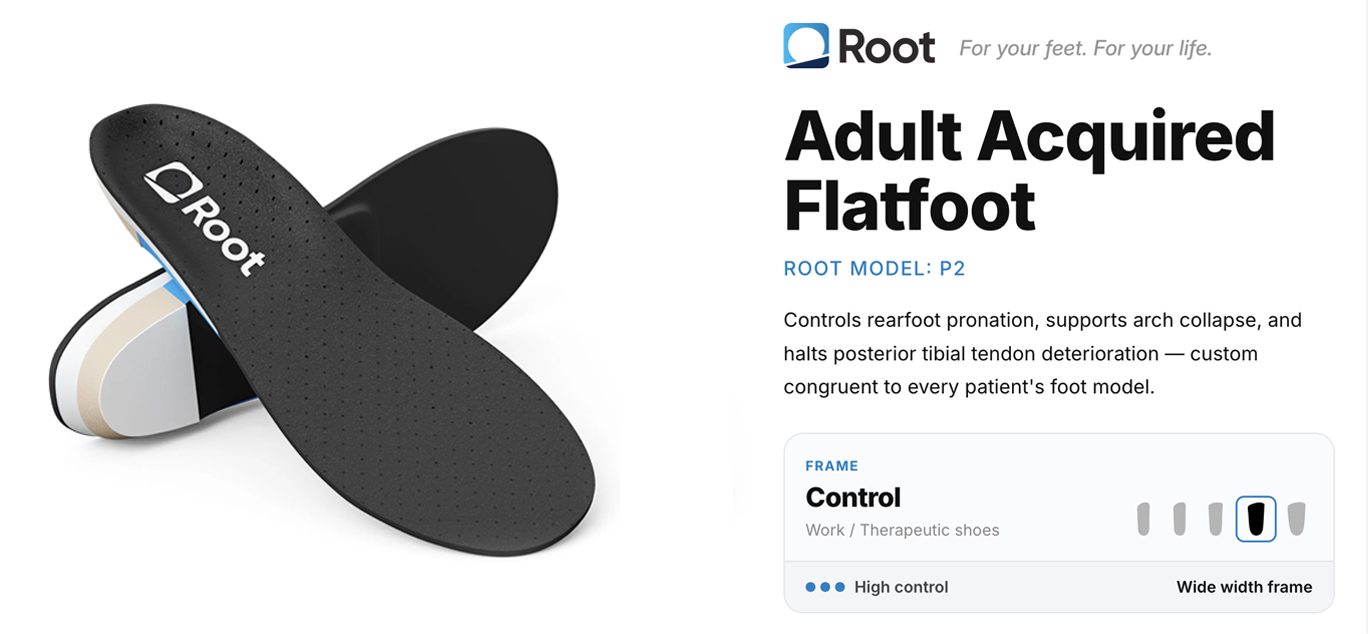
When treating posterior tibial problems at the earlier stages 1 and 2, emphasize posterior tibial strengthening and more highly corrected orthotic devices with some heel inversion (intrinsic with cast modifications) or extrinsic with varus wedges applied both to the forefoot and heel post. Also, emphasis should be on a wider frame, a higher arch, a thicker plastic, and medial Kirby Skives. I love more medial arch reinforcement, and higher medial heel cups and even medial flanges. Please see the KevinRoot Medical version as many use this as their go-to device.
This is called the P2 device and when ordering add the modifications that I have suggested or those that you are comfortable with. You will greatly change the biomechanics towards a happier foot.
I have just got back from the Western Foot and Ankle Seminar. I heard Dr. Doug Richie talk about how the PTTD foot, and AAFF, may be re-classified as Progressive Collapsing Arch Deformity due to more focus on the failing Spring Ligament. Here is what Google Gemini says:
Progressive collapsing foot deformity (PCFD) is a complex, 3-dimensional condition where the medial arch of the foot progressively flattens, often accompanied by hindfoot valgus and midfoot abduction. Formerly known as adult-acquired flatfoot or posterior tibial tendon dysfunction, it involves the failure of multiple stabilizing ligaments and tendons.
Something to think about. Rich
